Most marketing teams already have AI open in a tab somewhere. The question isn’t whether to use it. It’s why the results feel so uneven. One person gets a sharp email draft in thirty seconds, and the next gets a bland wall of buzzwords that sounds like every other brand on the internet.
The gap almost never comes down to the tool. It comes down to how the tool gets used. Once you learn how to use AI in marketing as an assistant rather than an autopilot, the same chatbot that produced mush starts saving you real hours every week.
This is a plain playbook. No hype, no promises that a robot will run your whole funnel. Just the workflows that actually hold up, where to point AI first, and the spots where you’ll want to keep a human hand on the wheel.
What AI is genuinely good at in marketing
By 2026, roughly 88% of marketers use AI in their day to day work, and creative development is the single most common use. That tells you something. AI shines at the messy first draft, the repetitive reformatting, and the “give me twenty options” moments that used to eat an afternoon.
It’s strong at drafting, summarizing, repurposing, and brainstorming. Feed it a rough idea and it returns something to react to, which is far easier than staring at a blank page. It’s also quick at the boring parts: turning one blog post into five social captions, cleaning up a spreadsheet, or writing ten subject lines so you have something to test.
Where it stumbles is judgment. AI doesn’t know your customer, your margins, or the promise you can actually keep. It will invent a statistic with total confidence. So the honest rule of thumb is simple. Let AI handle the volume, and keep the taste and the facts for yourself.
How to use AI in marketing, step by step
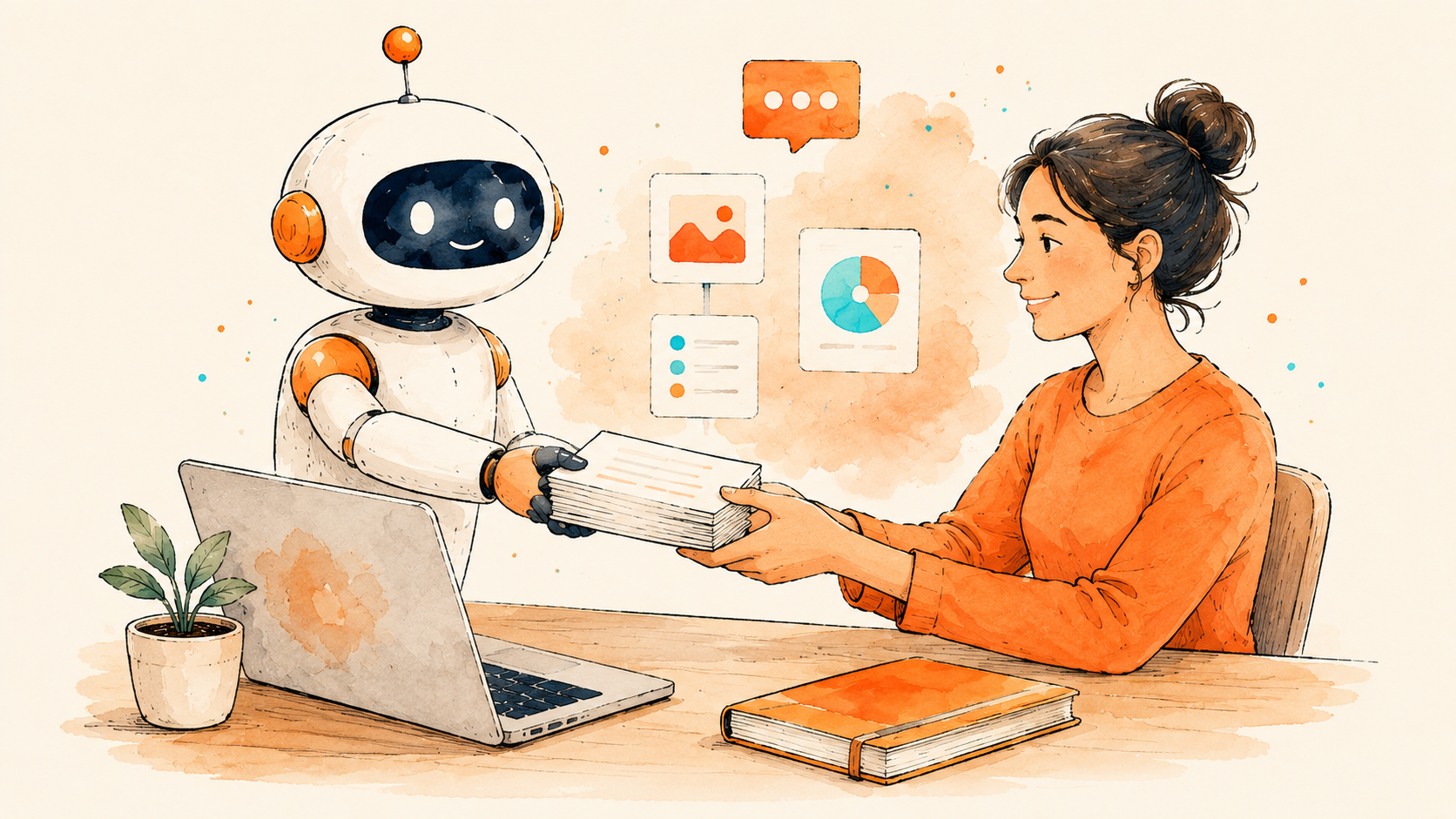
Here’s a workflow you can run this week. Each step points AI at a task it’s actually good at, then hands the result back to you for the part that needs a human.
1. Start with a brief, not a blank prompt
The biggest quality jump comes from giving AI context before you ask for anything. Paste in who the customer is, what you’re selling, the tone you want, and one real example of your past work you liked. A three sentence brief turns a generic answer into something that sounds like you.
A quick trick: keep a saved “brand brief” note and drop it at the top of every chat. You’ll stop getting copy that could belong to anyone.
Say you run marketing for a small coffee roaster. Instead of “write an Instagram caption about our new blend,” you paste your brief and ask for “three captions in our warm, slightly nerdy voice for a single origin from Guatemala, no exclamation points, aimed at people who already grind their own beans.” The second version gives you something usable. The first gives you filler.
2. Draft content, then edit like an editor
For blog posts, landing pages, and emails, ask AI for a first draft against your brief. Then switch roles and read it as a skeptical editor. Cut the throat clearing, fix anything vague, and add the one detail only your team would know. A common split is most of the draft from AI and the sharpest 20% from you, which is where the real value lives.
Never publish a draft untouched. AI copy that ships raw tends to read flat, and readers can feel it. If you’re still deciding which tool to draft in, our roundup of the best AI tools for marketers breaks down the honest picks by job.
3. Speed up email and social
Email and social are where AI pays off fastest, because you need volume and variety. Ask for ten subject lines, three opening hooks, or a week of post ideas built around one theme. You pick the winners and refine them.
Use it to adapt, not just create. One good idea can become a long post, a short caption, and a newsletter blurb in minutes, each written for where it lives instead of copied across every platform. This repurposing is where teams tend to feel the time savings first, because you’re getting more mileage out of work you already did.
4. Use AI for the grunt work in ads
For paid campaigns, AI is a fast way to generate ad variations you can test. Give it your offer and audience, ask for several angles, and you’ll have a batch of headlines and descriptions to run against each other. Real performance data decides the winner, not the model.
Keep a person on the money side. AI can write the ad, but budgets, bids, and what you promise in the copy are calls you make.
5. Support SEO, and pay attention to AI search
AI helps with keyword ideas, outlines, meta descriptions, and spotting gaps in a piece before you publish. It’s a research and structure helper, not a “generate a hundred articles” button, which tends to produce thin pages that go nowhere.
There’s a newer wrinkle worth knowing. Google’s AI Overviews now show up on an estimated 30% to 40% of searches, and tools like ChatGPT and Perplexity answer questions directly. Getting cited in those answers is called generative engine optimization, or GEO. The basics that help are the same ones that make good content: answer the question clearly and early, cite real sources, and add specifics like numbers and examples. Princeton researchers found those moves can lift how often AI systems quote a page.
6. Turn analytics into plain language
Paste a table of campaign results and ask AI to summarize what changed and what to look into. It won’t replace your analyst, but it’s great at turning a wall of numbers into a readable recap and a few questions worth chasing. Always sanity check the takeaways against the raw data, since AI can misread a trend.
A simple weekly AI marketing routine
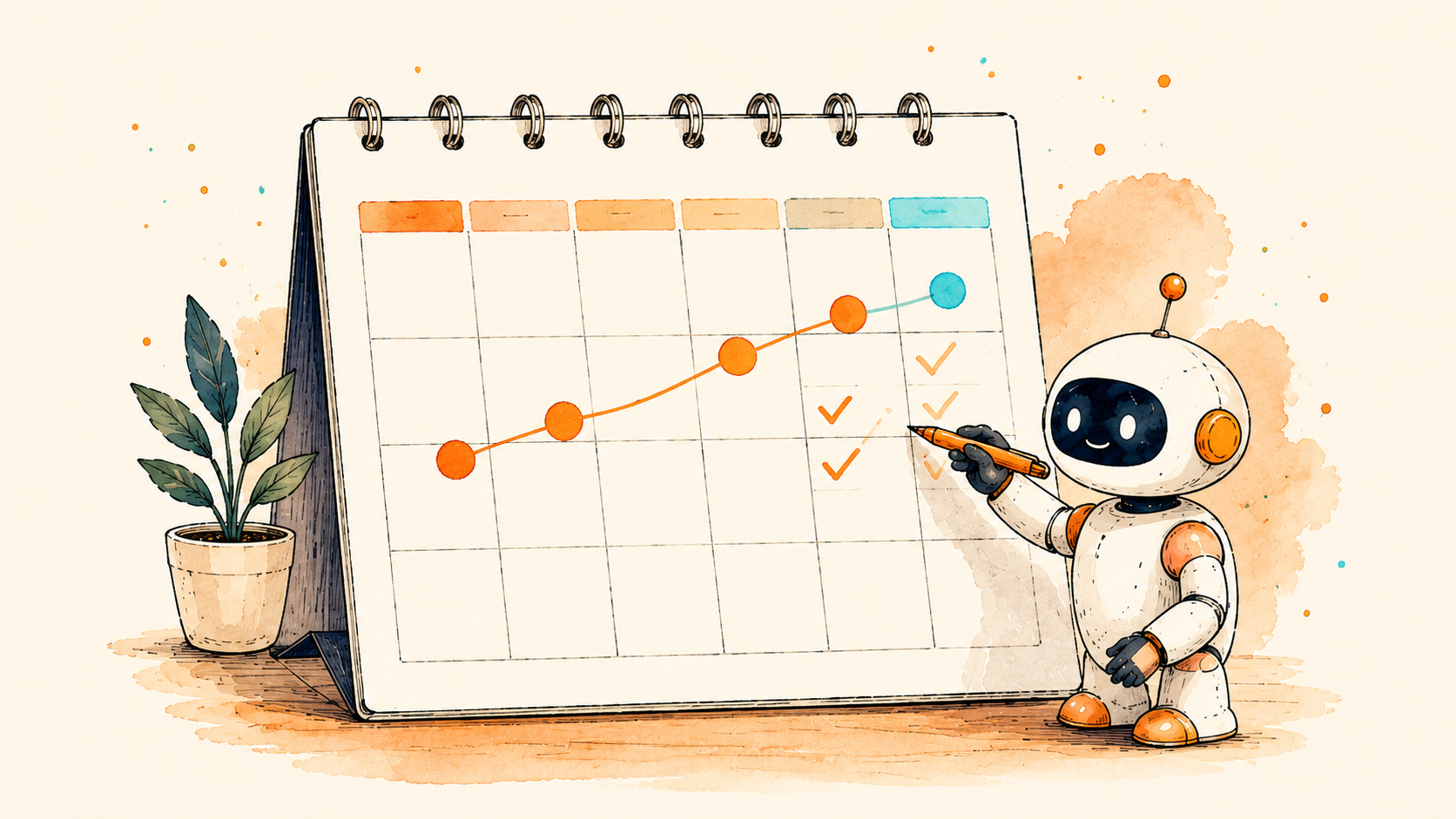
You don’t need a big system. A light rhythm keeps AI useful without letting it run the show.
On Monday, brainstorm the week’s angles and draft your main piece of content. Midweek, repurpose that piece into email and social, and spin up ad variations to test. On Friday, paste your results in for a quick summary and let it flag what to try next. The whole loop might save you the six hours a week that surveys say the average marketer now recovers with AI.
Where to keep a human in the loop
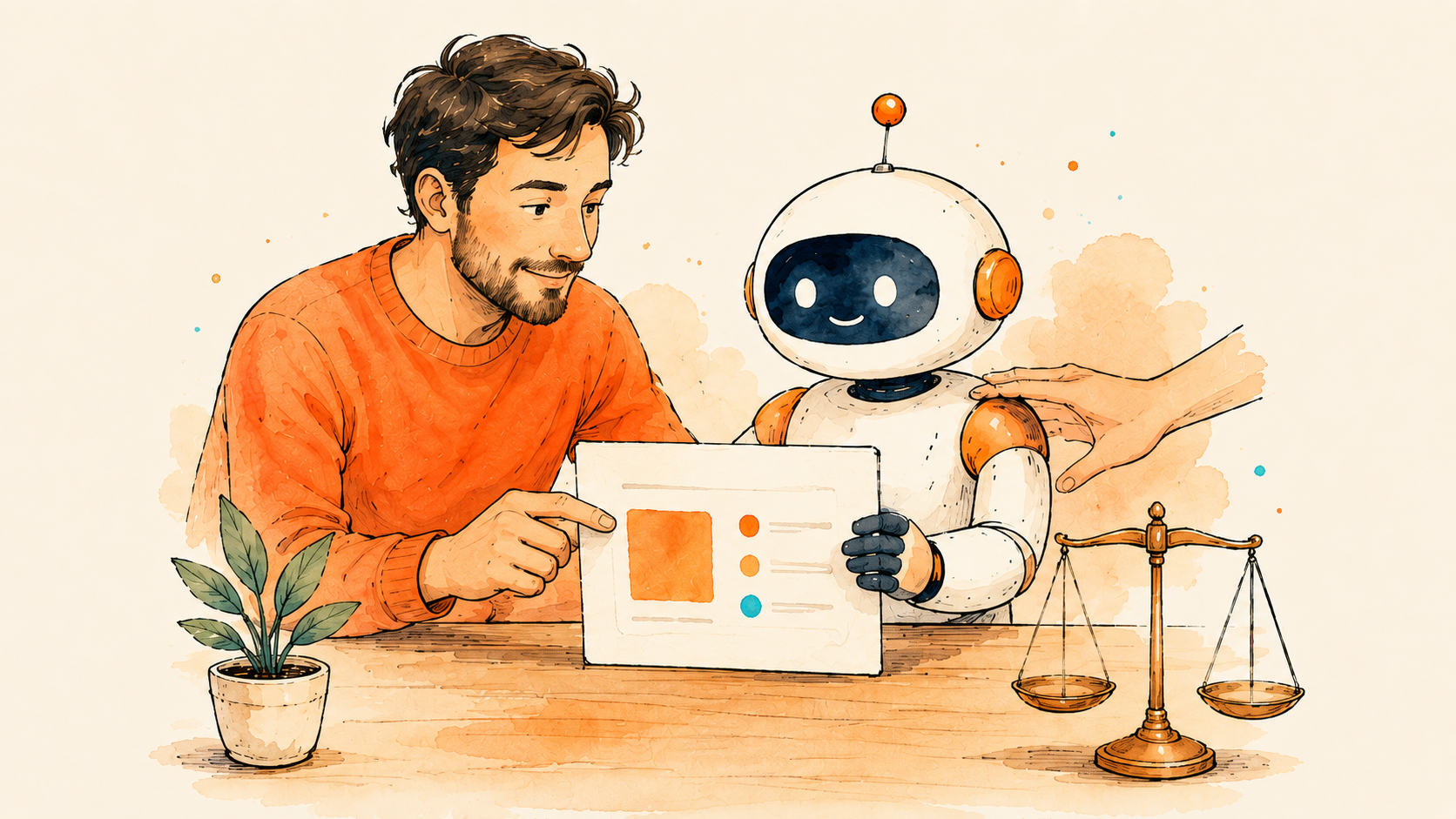
A few jobs should never go fully hands off. Anything with a number in it, a claim about your product, or a legal or medical angle needs a human check, because AI will state a wrong fact as smoothly as a right one. Final brand voice is yours too. The model can get close, but the last edit is what keeps you from sounding like everyone else.
The same goes for anything customer facing at scale, like automated replies. Set it up, then read what it’s actually sending before you trust it to run on its own.
Key takeaways
If you remember nothing else, remember this. Learning how to use AI in marketing is mostly about aiming it well: give it a real brief, let it handle drafts and volume, and keep judgment, facts, and voice for yourself. Start with one workflow, like email or repurposing, prove the time savings, then expand. And check every number before it goes out the door. For more on putting these tools to work across your day, see our guide to how to use AI.
Frequently asked questions
What is the best way to start using AI in marketing?
Pick one repetitive task you already do, like writing subject lines or turning a blog post into social captions. Run it through AI for a week with a short brand brief attached. Once you trust the quality, add a second workflow. Starting small beats trying to automate everything at once.
Will AI replace marketers?
Not in any way the current tools suggest. AI is fast at drafts and busywork, but it has no judgment about your customer, your strategy, or your brand promise. The marketers doing best treat it as a junior assistant that needs direction and editing, which frees them for the thinking machines can’t do.
Is AI generated marketing content bad for SEO?
Not by itself. Search engines care about whether content is helpful and accurate, not who typed the first draft. Thin, unedited AI pages published in bulk do tend to fail. Well researched pieces that you edit, fact check, and add real insight to can perform just fine.
How much time can AI actually save a marketing team?
Surveys in 2026 put the average around six hours a week per marketer, with senior staff often saving more. The savings come from drafting, repurposing, and summarizing rather than from strategy. Your mileage depends on how many repetitive tasks you hand over.
This article is general information, not professional, legal, or financial advice. AI tools and their features change often, so verify current pricing and capabilities before you rely on them. Facts were checked in July 2026.